Moving to Highlands Ranch and wondering what everyday life actually looks like? You want a clear picture of commutes, neighborhoods, schools, and the real costs so you can settle in with confidence. This guide gives you a practical, local-first look at daily living, plus tips you can use right away. Let’s dive in.
Highlands Ranch at a glance
Highlands Ranch is an unincorporated, master-planned community in Douglas County just south of Denver. You do not live in a city here. Services and amenities come through Douglas County, the Highlands Ranch Community Association, and the Highlands Ranch Metro District.
- The Highlands Ranch Community Association (HRCA) runs popular recreation centers, programs, and community events. Explore schedules and memberships on the HRCA website.
- The Highlands Ranch Metro District manages many parks, trails, and infrastructure. Learn about local facilities on the Metro District site.
- For county services and public safety, visit Douglas County.
Many residents describe the area as suburban and active, with a strong trail system, village-style retail pockets, and convenient access to the Denver Tech Center.
Neighborhood feel and amenities
Parks, trails, and open space
You will find an extensive network of neighborhood parks, greenbelts, and trails woven into most subdivisions. Weekend adventures are close by. Hike the red-rock formations at Roxborough State Park or paddleboard, bike, and picnic at Chatfield State Park. Local parks and athletic fields are maintained through the Metro District.
Rec centers and community programs
HRCA operates multiple recreation centers with fitness classes, indoor pools, and youth programs. Seasonal outdoor pools, sports leagues, arts programs, senior activities, and holiday events keep the calendar full. You can browse offerings and membership details through the HRCA site.
Shopping, dining, and errands
Daily errands are easy with several neighborhood shopping centers for grocery runs, pharmacies, and casual dining. Instead of one traditional downtown, you will find several town-center style nodes that some residents can walk or bike to. Larger retail and big-box options are a short drive away.
Healthcare and emergency services
Primary care, urgent care, and specialty practices are nearby. Many residents use hospitals in the southern suburbs. A local option is UCHealth Highlands Ranch Hospital. For emergency services and public safety in the unincorporated area, the Douglas County Sheriff’s Office serves the community through Douglas County resources.
Schools and child-focused services
Public schools are part of the Douglas County School District. The area includes a mix of elementary, middle, and high schools that serve neighborhood clusters, along with charter and private options in the region. For enrollment boundaries and performance reports, check the Douglas County School District. Always verify the assigned school for a specific address.
Housing and HOA basics
What homes look like
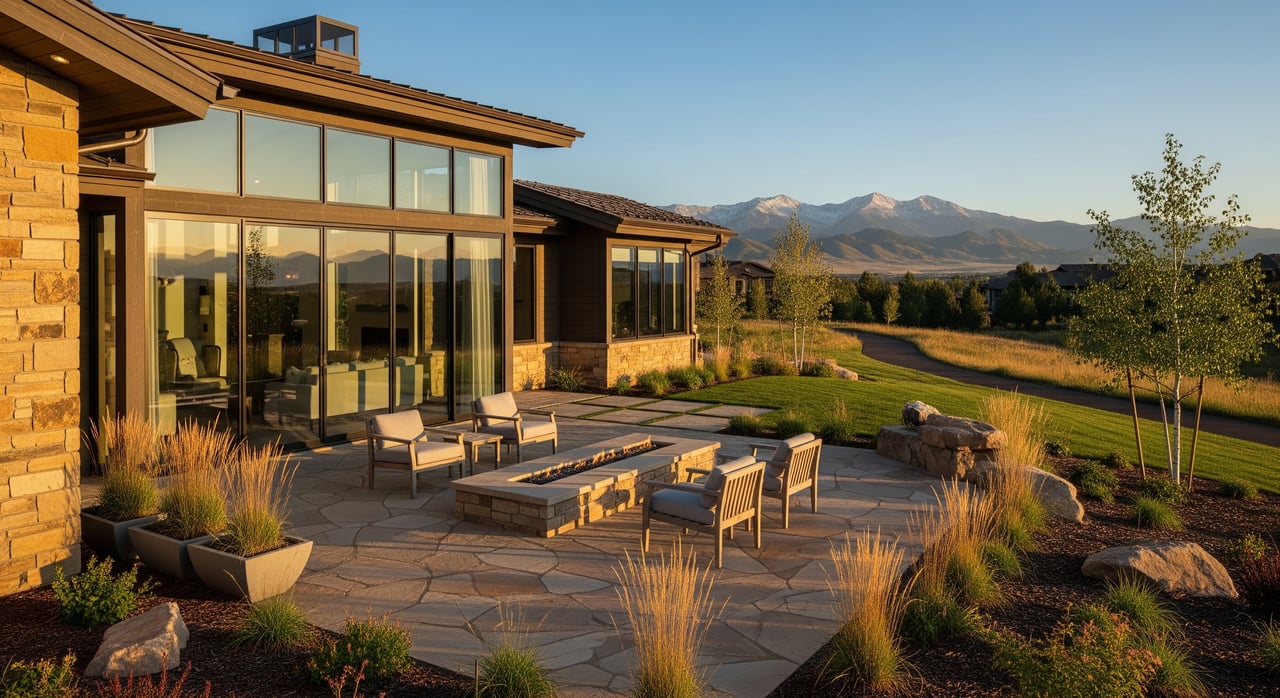
Highlands Ranch is dominated by single-family homes in master-planned neighborhoods. You will see one-story ranch plans and two-story models, many built from the late 20th century onward. Some pockets include townhomes, patio homes, and condos. Sidewalks, cul-de-sacs, and access to shared green space are common.
Understanding fee layers
Many neighborhoods have HOA covenants. In addition, HRCA or metro district fees may apply. These dues support recreation, parks, and community maintenance. Before you write an offer, clarify all fee layers so you can plan your monthly costs.
Quick checklist:
- Review HOA covenants, fees, and transfer costs.
- Confirm HRCA membership status and any metro district assessments.
- Ask what amenities your dues cover.
Price expectations and strategy
Prices generally track the broader Denver metro market. Single-family homes tend to command higher prices than condos or townhomes, and newer or updated homes can price above older subdivisions. Market conditions can shift quickly. Check live listings and consult a local advisor for current comps, inventory, and days on market.
Getting around and commuting
Driving realities
Highlands Ranch is primarily car-oriented. Common routes include C-470, South University Boulevard, and connections to I-25 or E-470 for regional trips. Many residents commute to Denver or the Denver Tech Center. Plan for about 20 to 45 minutes depending on destination and traffic.
Public transit options
Regional public transit is available through RTD bus service. While there is no light rail station inside Highlands Ranch, park-and-ride and express bus routes serve parts of the southern suburbs. Frequency and convenience vary, so review schedules on RTD Denver if you prefer not to drive daily.
Walkability and biking
Walkability depends on your neighborhood. Some village centers support short trips by foot or bike, but most residents drive for groceries and commuting. On the plus side, the trail network is extensive for recreation. If you plan to bike commute, expect suburban road conditions and plan routes in advance.
Cost of living and daily logistics
Recurring costs to expect
Housing is your biggest expense. Add HOA or HRCA dues and metro district fees where applicable. Property taxes, utilities, commuter fuel or tolls, and childcare can add up. For county tax information and service updates, start with Douglas County.
Weather and preparedness
You will experience four seasons with many sunny days. Winters bring occasional snow and cold snaps. Spring and summer can include thunderstorms. Most residents plan for snow removal, invest in winter tires, and keep sunscreen handy due to high-elevation sun.
Utilities and setup
Utilities typically include electricity, gas, water, sewer, and trash. Providers can vary by subdivision. Confirm service providers and billing details at closing so your move-in is smooth. If your neighborhood uses a metro district service, factor that into your monthly planning.
Getting connected socially
Many new residents build their network through HRCA classes, youth sports, and community events. Volunteering with neighborhood HOAs, joining a rec center, and participating in school PTO or PTA meetings are common ways to meet people quickly.
Is Highlands Ranch a fit for you?
If you want suburban convenience, strong recreation amenities, and access to the DTC or Denver, Highlands Ranch is a practical choice. You will trade direct city rail access for car convenience and trails out your door. The right fit comes down to commute needs, budget, and the neighborhood vibe you prefer.
Ready to explore homes or compare neighborhoods with a local, data-informed plan? Connect with Chris Davis for guidance and to request a complimentary home valuation.
FAQs
Is Highlands Ranch good for families?
- Many residents choose it for parks, trails, and community programming, plus access to schools in the Douglas County School District. Confirm specific school assignments on the district site.
How long is the commute to Denver or DTC?
- Typical drive times range from about 20 to 45 minutes depending on destination and traffic. RTD bus service offers alternatives, but many residents drive.
Are there walkable areas and trails in Highlands Ranch?
- Some village centers are walkable, but the community is mostly suburban and car-reliant for errands. The trail network is extensive for recreation and neighborhood connections.
What housing types are common in Highlands Ranch?
- Mostly single-family homes with a mix of ranch and two-story plans, plus townhomes and condos in certain pockets. Neighborhoods often feature sidewalks and shared green space.
Do I have to join an HOA or HRCA?
- Many neighborhoods have mandatory HOAs, and HRCA membership is common for recreation access. Always verify fees and rules for your specific subdivision.
How are public schools in Highlands Ranch?
- Schools are part of the Douglas County School District and are often well regarded. Review boundaries and performance on the Douglas County School District site to confirm details for your address.
What recreation centers and programs are available?
- HRCA operates multiple rec centers, indoor and outdoor pools, fitness classes, youth camps, and seasonal events. See current offerings on the HRCA website.