
Looking for a place that makes daily life feel easier without giving up space, recreation, or convenience? If Lone Tree is on your shortlist, you are probably wondering what it actually feels like to live there beyond the home search. This snapshot will walk you through the everyday rhythm of Lone Tree, from neighborhoods and trails to shopping, dining, transit, and homeowner perks. Let’s dive in.
Lone Tree at a Glance
Lone Tree is a small south metro city with an estimated population of 15,278 as of July 1, 2025. The U.S. Census Bureau reports a median household income of $123,741 based on 2020 to 2024 ACS data.
What stands out is how much is packed into a relatively compact footprint. The city describes Lone Tree as a connected community of neighborhoods, public spaces, signature retail, major employers, and transit options, which helps explain why many buyers see it as an amenity-rich place for day-to-day living.
Neighborhood Feel and Housing Context
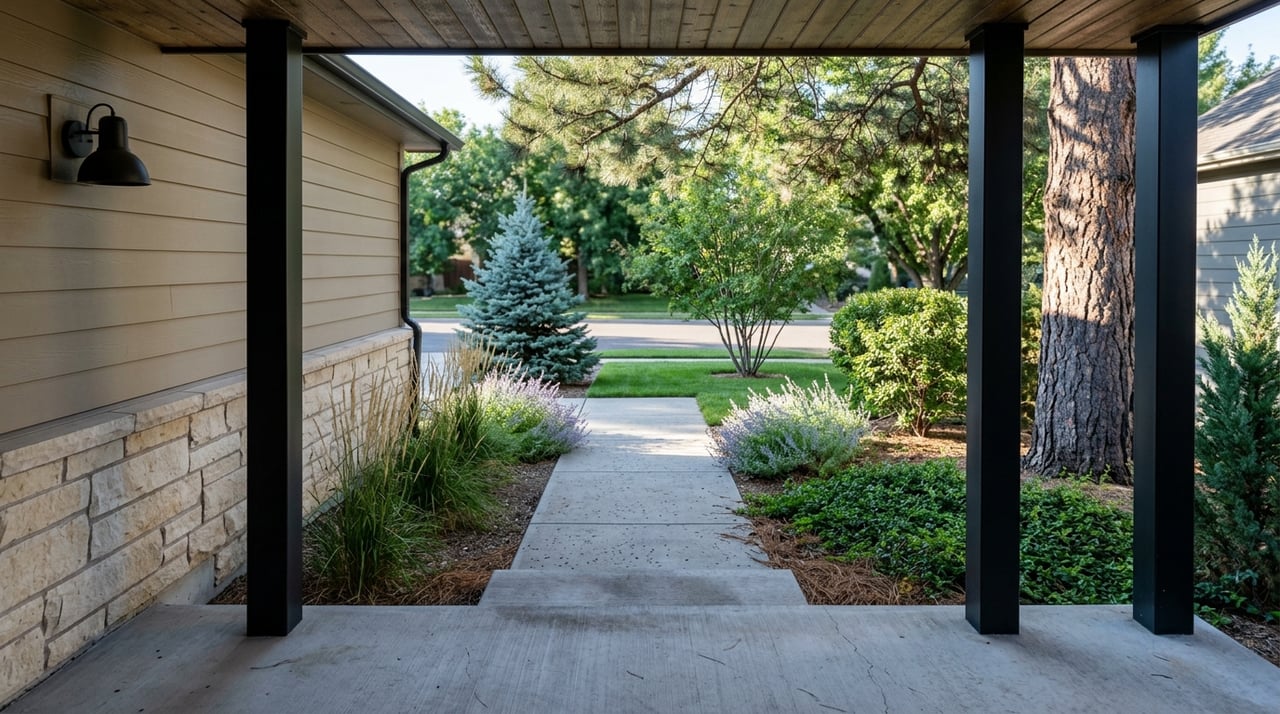
If you are focused on single-family living, Lone Tree offers an important mix. City planning documents describe traditional Lone Tree neighborhoods as typically single-family and lower density, while broader policy supports a variety of housing types and nearby amenities.
For many buyers, that creates a practical balance. You can find established residential areas that prioritize a detached-home setting while still staying close to shopping, recreation, and services.
Another detail worth knowing is that all single-family and townhome neighborhoods have coordinated HOAs, according to the city’s resident guide. That can shape everything from neighborhood maintenance expectations to design consistency, so it is a useful part of the lifestyle picture.
Parks and Trails for Daily Use
One of Lone Tree’s biggest advantages is how easy it is to get outside. The city has a strong parks and trail network that supports everything from quick walks to longer weekend outings.
Prairie Sky Park offers trails, open play areas, and regional trail connections. Sweetwater Park is centered around fields, playgrounds, and community gatherings, while Bluffs Regional Park and Trail features a 2.7-mile soft-surface loop.
Willow Creek Trail is especially useful for daily life because it runs north-south through the center of Lone Tree. It also connects to the High Line Canal and the East/West trail system, giving you more options for walking, running, or biking without needing to drive first.
Outdoor Life in Practice
For many households, these amenities are less about special occasions and more about routine. You may use the trails for a morning workout, take kids to a playground after school, or plan a casual weekend park stop without leaving the city.
That kind of access can make a real difference when you are choosing where to live. It supports an active lifestyle without requiring a long trip to find open space or recreation.
Recreation Beyond the Trails
Lone Tree also offers a solid mix of indoor and organized recreation. Many of these opportunities are provided through South Suburban Parks & Recreation, which adds to the range of activities available nearby.
Cook Creek Pool includes an 8-lane lap pool, a leisure pool, play features, a diving board, and a 160-foot waterslide. That gives you options for lap swimming, family outings, and warm-weather recreation in one place.
The Lone Tree Hub serves a wide age range, with programs for toddlers through seniors. The city lists camps, arts and enrichment, esports, and active-adult activities among the offerings.
The Douglas County Library’s Lone Tree Branch is located in RidgeGate across from the arts center. It includes kids’ space, meeting and event rooms, and laptop borrowing, which adds another layer of day-to-day convenience.
Golf and Tennis Options
If you prefer more structured recreation, Lone Tree has that too. Lone Tree Golf Club & Hotel features an 18-hole Arnold Palmer-designed course with Front Range views.
The Lone Tree Tennis Center and Park includes lighted courts, picnic pavilions, and a playground. For households with different interests, that combination can make it easier to fit multiple activities into one outing.
Shopping, Dining, and Entertainment
When people think of Lone Tree, Park Meadows often comes up first, and for good reason. The mall says it is Colorado’s largest shopping mall and lists more than 185 stores and restaurants.
The city also describes the Park Meadows district as a major regional destination for retail, employment, and visitor activity. For you as a resident, that can translate into shorter errands and more nearby choices for shopping, meals, and everyday services.
Dining is concentrated around Park Meadows and the city’s Entertainment District. The city’s dining list includes a broad mix of options, from casual chains and fast-casual spots to steakhouses, seafood, sushi, pizza, coffee shops, and breweries.
Examples listed by the city include Perry’s Steakhouse & Grille, Seasons 52, Yard House, Fogo de Chão, Blue Island Oyster Bar, Lone Tree Brewing Co., and Rio Grande Mexican Restaurant. That variety makes it easier to keep dining close to home, whether you are meeting friends, grabbing a weeknight dinner, or planning a date night.
A Growing Entertainment District
The city says the Lone Tree Entertainment District is being reimagined as a lively hub where dining, entertainment, retail, and public gathering spaces come together. That matters if you want more than a bedroom community feel.
Instead of relying on other parts of the metro area for activity, Lone Tree continues building places where daily convenience and social life overlap. For many buyers, that is a major lifestyle plus.
Arts and Cultural Amenities
Lone Tree also has a cultural dimension that adds depth to everyday living. The Lone Tree Arts Center hosts nationally and internationally recognized artists, professional theatrical productions, local talent, educational programming, and cultural celebrations, according to the city.
The venue includes a 500-seat main stage, a 200-seat event hall, and a 350-seat outdoor terrace theater. It opened in 2011 and also supports sensory-friendly and other accessible programming.
For residents, this means entertainment is not limited to shopping and dining. You have access to performances and community programming nearby, which can make local life feel more complete.
Getting Around Lone Tree
Convenience is one of Lone Tree’s strongest lifestyle features. The city says it sits at the crossroads of I-25 and C-470, with E-470 also serving the community.
The resident guide also lists five RTD light-rail stations within city limits. That is a notable benefit if you commute, travel across the south metro area, or simply want more than one way to get around.
Lone Tree’s free Link On Demand shuttle adds another practical option. It serves Lone Tree, Meridian, Highlands Ranch, and parts of Parker.
The community profile places downtown Denver about 20 miles away and Centennial Airport about 5 miles away. For DTC professionals, regional commuters, and relocation buyers, that level of connectivity is often a big part of Lone Tree’s appeal.
A Practical Perk for Homeowners
Some lifestyle details are not flashy, but they matter. One of the most practical examples in Lone Tree is the city’s trash and recycling program for single-family homes.
Lone Tree provides free trash and recycling service for single-family homes and says it is one of only two cities in Colorado to do so. The city allows up to three containers at no charge and uses neighborhood-based pickup schedules.
For homeowners, that is a simple but meaningful convenience. It is one more example of how everyday living in Lone Tree can feel streamlined.
What Daily Life Feels Like
Taken together, Lone Tree offers a lifestyle that blends suburban neighborhoods with highly accessible amenities. You get lower-density single-family areas, a developed trail network, organized recreation, major retail, dining variety, arts programming, and strong regional mobility in one city.
That combination is a big reason Lone Tree stands out for buyers who want convenience without giving up the feel of a traditional neighborhood setting. If you are comparing south metro communities, Lone Tree is worth a closer look because so many parts of daily life are clustered nearby.
If you are thinking about buying or selling in Lone Tree, working with a local team can help you match the right home to the lifestyle you want. For tailored guidance on Lone Tree neighborhoods and homes, connect with Chris Davis.
FAQs
What is everyday life like in Lone Tree, Colorado?
- Everyday life in Lone Tree centers on easy access to neighborhoods, parks, trails, shopping, dining, recreation, and transit within a relatively compact city.
Are there single-family neighborhoods in Lone Tree, Colorado?
- Yes. City planning documents describe traditional Lone Tree neighborhoods as typically single-family and lower density, and the resident guide notes that single-family and townhome neighborhoods have coordinated HOAs.
What outdoor amenities does Lone Tree, Colorado offer?
- Lone Tree offers parks and trails including Prairie Sky Park, Sweetwater Park, Bluffs Regional Park and Trail, and Willow Creek Trail, which connects to larger trail systems.
What shopping and dining options are in Lone Tree, Colorado?
- Lone Tree includes the Park Meadows retail district, which the mall says has more than 185 stores and restaurants, plus a wide range of dining options around Park Meadows and the Entertainment District.
How do you get around in Lone Tree, Colorado?
- Lone Tree has access to I-25, C-470, and E-470, five RTD light-rail stations within city limits, and a free Link On Demand shuttle serving Lone Tree and nearby areas.
Does Lone Tree, Colorado offer city trash and recycling for single-family homes?
- Yes. The city provides free trash and recycling service for single-family homes, with up to three containers at no charge and neighborhood-based pickup schedules.