
Trying to choose between Highlands Ranch and Lone Tree for a Denver Tech Center commute? You are not alone. Many buyers looking south of DTC find themselves deciding between two strong options that can both work well, but for very different reasons. If you want a clearer way to compare commute patterns, home styles, pricing, and day-to-day lifestyle, this guide will help you focus on what matters most. Let’s dive in.
Highlands Ranch vs. Lone Tree for DTC
For most DTC commuters, this choice is less about raw drive time and more about how you want to live between work hours. The latest Census QuickFacts show very similar average commute times: 24.2 minutes in Highlands Ranch and 25.7 minutes in Lone Tree. That means the better question is usually not, “Which one is faster?” but “Which one fits my routine better?”
If you prefer a mature suburban setting with a large detached-home base, Highlands Ranch often stands out. If you want more rail access, shuttle options, and newer mixed-use development, Lone Tree usually has the edge.
Commute Times Are Close
At first glance, the commute data may surprise you. Highlands Ranch and Lone Tree post very similar average commute times, and both remain primarily drive-alone communities. Data USA shows 61% of Highlands Ranch residents commute by driving alone, compared with 58% in Lone Tree, while work-from-home rates are also close.
That is why your daily experience may come down more to route options than to a citywide average. A short, predictable drive can feel easier than a slightly shorter commute with more variables, and the same is true if you prefer transit flexibility over driving every day.
Highlands Ranch commute style
Highlands Ranch is more road-oriented. Common routes into and around the DTC area include C-470, South University Boulevard, and connections to I-25 or E-470. The Highlands Ranch Metro District also notes its role in major roads, traffic signals, and streetlight coordination with Douglas County, CDOT, and RTD.
If you like the flexibility of getting in the car and choosing among several road connections, Highlands Ranch may feel straightforward. It tends to fit buyers who expect to drive most days and want a neighborhood network built around that reality.
Lone Tree commute style
Lone Tree offers a stronger multimodal setup. The city is served by I-25, C-470, and E-470, and it also offers the free Link on Demand shuttle plus five light-rail stations within the city. The city notes E Line service to Union Station and R Line connections to Aurora.
For a DTC commuter, that can be a real advantage if you value options. You may still drive often, but having rail and shuttle access can make your weekly routine more flexible.
Neighborhood Feel and Daily Lifestyle
Beyond the commute, these two communities feel different in everyday life. Both offer access to parks and trails, but the layout and lifestyle rhythm are not the same. Your ideal fit depends on whether you want an established suburban fabric or a newer, more mixed-use environment.
Highlands Ranch feels established
Highlands Ranch is a large, unincorporated 22,000-acre master-planned community founded in 1981. The Metro District says it manages 26 parks, more than 70 miles of trails, and 2,644 acres of open space. Highlands Ranch Water serves more than 30,000 single-family homes, which reinforces just how large and established the community is.
That scale shapes the day-to-day experience. Highlands Ranch often appeals to buyers who want a classic suburban neighborhood feel with recreation woven directly into the community.
Lone Tree feels newer and more mixed-use
Lone Tree is smaller, but its growth pattern is more centered on transit and development nodes. RidgeGate alone is a 3,500-acre planned development that is already home to nearly 5,000 residents and is expected to reach 30,000 at buildout. The city describes it as a place with residential villages, jobs, shopping, and dining.
That gives Lone Tree a different feel. Instead of one large suburban fabric, it tends to offer a more connected mix of residential areas, station access, and newer development patterns.
Parks, Trails, and Outdoor Access
If outdoor access is part of your weekly routine, both communities bring something useful to the table. The difference is whether you want a larger internal trail network or stronger regional connectivity.
Highlands Ranch trail network
Highlands Ranch has the larger internal recreation system. The Metro District says more than 4,700 homes back to open space, and the trail network includes concrete, crusher-fine, and single-track paths used for both recreation and transportation. The district describes the trail system as a defining amenity rather than an extra feature.
If you want trails and open space woven throughout an established neighborhood setting, Highlands Ranch is hard to ignore. It is especially appealing if you picture quick access to parks and paths without leaving the community.
Lone Tree trail connections
Lone Tree is smaller, but it connects well to regional destinations. The city highlights Bluffs Regional Park and Trail, the East/West Regional Trail, Willow Creek Trail, Prairie Sky Park, Sweetwater Park, and High Note Park, which is in the approval process for its first phase. The East/West Trail also connects Lone Tree to Highlands Ranch, Castle Pines, and Parker.
That makes Lone Tree attractive if you like the idea of regional trail access paired with newer park development. It can feel especially convenient if you want outdoor options tied into a broader network.
Home Styles and Housing Mix
The housing stock is another major dividing line. For many buyers, this is where the choice becomes much clearer.
Highlands Ranch homes
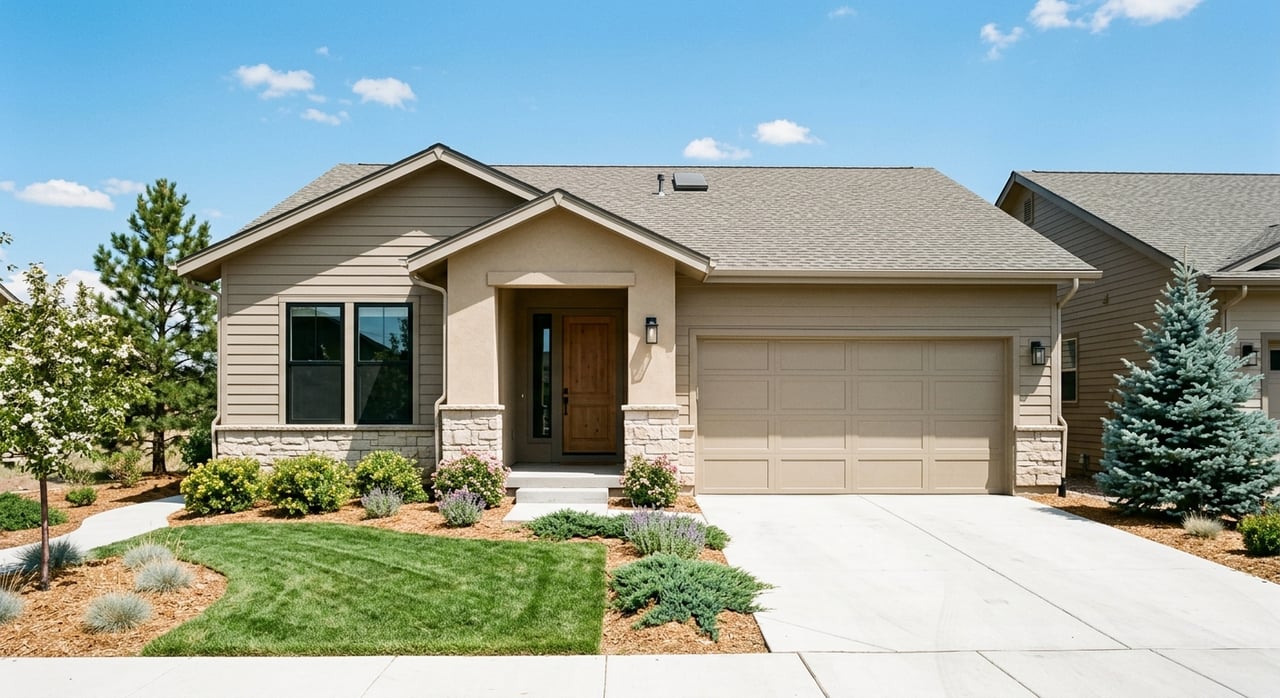
Highlands Ranch is still heavily single-family focused. Team DTC Davis describes the area as dominated by single-family homes in master-planned neighborhoods, with one-story ranch plans and two-story models common. There are also some townhomes, patio homes, and condos in selected areas.
The customer mix from Highlands Ranch Water points in the same direction, with service to more than 30,000 single-family homes versus 7,200 multi-family units. If your search starts with a detached home in an established neighborhood, Highlands Ranch may line up more naturally.
Lone Tree homes
Lone Tree offers a more mixed housing mix, especially in RidgeGate. The city describes RidgeGate as an urban, mixed-use environment with residential neighborhoods, while the east-side plan includes residential villages, parks, public facilities, and market-rate multi-family housing. The west side also includes a mix of retail, commercial, and residential areas.
If you want newer development or more variety in housing types, Lone Tree may offer more flexibility. It can also appeal to buyers who want a home near newer activity centers or station-area growth.
Pricing Differences to Know
Price can quickly shape this decision. Based on current median figures, Highlands Ranch is generally the lower-priced option.
Realtor.com reported a median listing price of $715,000 and a median sold price of $684,500 in Highlands Ranch as of April 2026. In Lone Tree, the median listing price was $834,250 in March 2026, and neighborhood-level pricing ranged widely, from about $593,270 in Lyric to about $1.11 million in RidgeGate West and about $1.749 million in Heritage Hills.
Census housing values support the same overall pattern, with median owner-occupied value at $712,700 in Highlands Ranch and $874,100 in Lone Tree. If you are price-sensitive and want more detached-home inventory at a lower median price point, Highlands Ranch may be the easier fit. If you are comfortable paying more for newer or more transit-oriented pockets, Lone Tree may offer the right tradeoff.
Which One Fits You Best?
The right answer depends on your priorities, not just the map. Both communities can work for DTC commuters, but they serve different lifestyles.
Highlands Ranch may fit best if you want:
- A larger detached-home base
- A mature suburban layout
- A deep internal trail and park network
- A more road-oriented commute pattern
- A lower median price point than Lone Tree
Lone Tree may fit best if you want:
- Light-rail access and shuttle options
- Newer mixed-use or station-area development
- More variety in housing types
- Regional trail connectivity
- The convenience of newer growth areas tied to jobs, shopping, and dining
A smarter way to compare both
If you are torn between Highlands Ranch and Lone Tree, the best next step is to compare them based on your real weekly routine. Think about how many days you expect to commute, whether you would actually use rail or shuttle service, what kind of home you want, and how much value you place on established neighborhoods versus newer development.
For many buyers, the answer becomes clearer after touring both areas with those priorities in mind. One place usually feels more natural once you see how the streets, housing, and daily logistics line up with your lifestyle.
If you are weighing Highlands Ranch against Lone Tree for a DTC commute, a local, side-by-side strategy can save time and help you buy with more confidence. When you are ready to compare neighborhoods, commute patterns, and homes that match your goals, connect with Chris Davis.
FAQs
Is Highlands Ranch or Lone Tree closer to DTC for commuters?
- Average commute times are very close based on Census QuickFacts, with Highlands Ranch at 24.2 minutes and Lone Tree at 25.7 minutes, so route choice and transportation preferences often matter more than the averages.
Is Highlands Ranch or Lone Tree better for light-rail access?
- Lone Tree has the stronger transit advantage because the city offers five light-rail stations and a free Link on Demand shuttle, along with access to I-25, C-470, and E-470.
Does Highlands Ranch or Lone Tree have more single-family homes?
- Highlands Ranch is more single-family focused, with a large detached-home base and far more single-family water customers than multi-family units.
Is Lone Tree more expensive than Highlands Ranch?
- Based on current median figures in the research, Lone Tree is generally the higher-priced market, while Highlands Ranch shows a lower median listing and sold price.
Which area has better trails, Highlands Ranch or Lone Tree?
- Highlands Ranch stands out for its large internal trail and open space network, while Lone Tree stands out for regional trail connections and newer park development.
Should DTC buyers choose Highlands Ranch or Lone Tree?
- If you want an established suburban setting with more detached homes and internal recreation, Highlands Ranch may be the better fit. If you want rail access, shuttle options, and newer mixed-use development, Lone Tree may be the better match.