
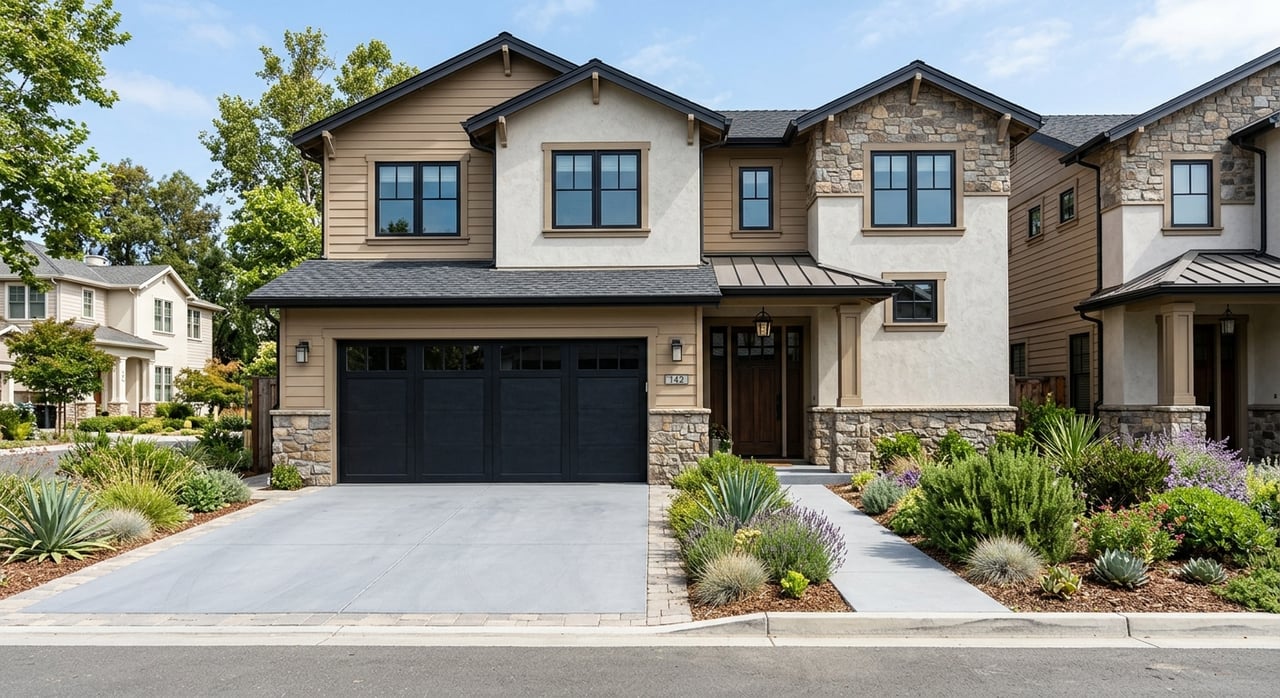
Wondering whether Englewood makes sense for your next move-up home? If you want more space without giving up access to downtown Denver, the Denver Tech Center, and everyday conveniences, Englewood deserves a closer look. This guide will help you weigh the housing mix, commute options, lifestyle amenities, and neighborhood feel so you can decide if this first-ring community fits the way you live. Let’s dive in.
Why Englewood stands out
For move-up buyers, Englewood offers a combination that can be hard to find in one place: established neighborhoods, transit access, and urban conveniences in a first-ring suburban setting. That means you can often find a more rooted, lived-in feel while staying connected to major job centers and regional routes.
The city describes itself as a transportation hub, with two light rail stops, RTD bus service, access to US 285 and US 85, and the free bert shuttle. If your household splits time between office commutes, errands, and local activities, that flexibility can make daily life easier.
Englewood housing options
One of Englewood’s biggest strengths is variety. City data shows the housing stock in 2021 was about 58.7% single-family, 5.3% attached 2-to-4-unit homes, 34.8% multifamily, and 1.2% mobile homes. For a move-up buyer, that means you are not looking at a one-note market.
You may find detached homes in established areas, more modern options near downtown, and a wider range of housing styles than some nearby suburbs. That can be useful if your priorities include extra square footage, a different layout, a better work-from-home setup, or easier access to transit and amenities.
Englewood also has an older housing base. One city plan says 43% of homes were built before 1940, while only 1% were built since 2001. In practical terms, that can mean more architectural variety, mature surroundings, and older homes that may offer character, while also requiring you to look carefully at condition, updates, and long-term maintenance.
For price context, Census QuickFacts lists the median value of owner-occupied housing units at $534,000 for 2019 through 2023. That figure is not the same as the price of any specific home, but it does give you a useful baseline as you compare Englewood to other south-metro options.
Neighborhood feel in Englewood
Englewood’s neighborhood identity is more detailed than many buyers expect. The city adopted an official neighborhood map in 2022 and identifies 40 neighborhoods using historic subdivision names and current places of significance. That tells you right away that Englewood is not one uniform experience.
As you search for a move-up home, this matters. One part of the city may feel more established and residential, while another may place you closer to downtown activity, transit, or medical employment centers. The right fit depends on how you balance home size, street feel, commute needs, and proximity to parks or shopping.
This is also why broad assumptions can miss the mark in Englewood. If you are considering the area, it helps to evaluate specific neighborhoods and blocks rather than treating the whole city as one housing category.
Commute and transit access
If commute convenience is high on your list, Englewood makes a strong case. City and downtown development materials highlight light rail access to both downtown Denver and the Denver Tech Center, which is a major plus for many move-up buyers and relocating professionals.
RTD’s Englewood Station includes a rail station park-n-ride with free parking and serves the D Line plus five bus routes. The city’s free bert shuttle also connects CityCenter, downtown Englewood, and medical facilities in and near Craig Hospital and Swedish Medical Center.
That creates a layered transportation setup. Depending on your routine, you may be able to combine driving, rail, shuttle service, biking, and short local trips instead of relying on a single mode every day.
Parks, trails, and recreation
For many move-up buyers, the real test of a neighborhood happens outside the house. Englewood performs well here, with more than 244 acres of developed park land managed by the city’s parks division.
The parks system includes places and amenities such as Belleview Park, the Englewood Farm & Train, River Run Trailhead, athletic fields, recreational water amenities, a dog park, and a community garden. The city’s broader Parks, Recreation, Library & Golf department also includes the Englewood and Malley recreation centers, the public library, Pirates Cove Family Aquatic Center, and Broken Tee Golf Course.
Englewood also says it has more than 20 miles of bike paths connected to regional trail systems. Local planning work has focused on improving bike and pedestrian connections to the South Platte River and the Mary Carter Greenway, which adds real value if you want active options close to home.
Downtown amenities and daily convenience
Downtown Englewood adds another layer to the city’s appeal. The city divides downtown into CityCenter, South Broadway, and the Wellness District, each with a different role in everyday life.
CityCenter includes the civic center, offices, modern housing options, and light rail access. South Broadway is described as a walkable main street with restaurants, boutiques, entertainment, and essential businesses. The Wellness District serves as a health and wellness hub anchored by Craig Hospital and Swedish Medical Center.
For a move-up buyer, that mix can support a practical lifestyle. You may be able to live near restaurants, services, transit, recreation, and healthcare without feeling cut off from the rest of the metro area.
A balanced note on change
Englewood’s downtown is not static. Some of its energy comes from active redevelopment, especially in and around CityCenter.
The city notes that CitySpark has transformed 11,400 square feet in CityCenter into temporary space for artists, entrepreneurs, and community organizations. City materials also describe CityCenter as entering a new redevelopment chapter, which suggests a downtown core with real amenities today and some areas that are still evolving.
That is not automatically a positive or a negative. It simply means you should think about how much you value established surroundings versus the potential that can come with an area in transition.
Is Englewood a good fit for move-up buyers?
Englewood can be a strong fit if you want more home while staying close to key parts of the metro. It is especially worth considering if your priorities include commute flexibility, established neighborhood character, access to parks and trails, and a housing mix that offers more than one path upward.
It may also appeal to you if you like the idea of a city with both local identity and practical convenience. The 40-neighborhood structure, older housing stock, recreation assets, and downtown services create a layered experience that feels different from newer master-planned suburbs.
At the same time, Englewood may require a more careful home search than areas with newer, more uniform inventory. Because housing age, style, and location can vary so much from one area to another, the best move-up opportunity often comes down to matching the right block and home type to your daily routine.
What to weigh before you buy
Before you commit to Englewood, it helps to narrow your decision around a few core questions:
- How important is light rail or road access to your work routine?
- Do you want an older home with character, or do you prefer something with a more modern layout?
- How much do parks, trails, rec centers, and public amenities shape your day-to-day life?
- Would you rather be near downtown conveniences, or in a quieter residential setting?
- Are you comfortable buying in an area where some downtown blocks are still evolving?
The answers can quickly tell you whether Englewood fits your version of a move-up move, not just the idea of one.
If you are comparing Englewood with other south-metro options, a neighborhood-level strategy matters. Chris Davis can help you evaluate where Englewood fits, what type of home best matches your next chapter, and how to make a confident move with clear local guidance.
FAQs
Is Englewood good for move-up home buyers?
- Yes. Englewood offers established neighborhoods, a broad housing mix, access to parks and recreation, and strong connections to downtown Denver and the Denver Tech Center.
What types of homes are available in Englewood?
- Englewood includes single-family homes, attached 2-to-4-unit homes, multifamily housing, and a small share of mobile homes, giving buyers a wider range of options than some nearby areas.
How commuter-friendly is Englewood for Denver Tech Center or downtown Denver jobs?
- Englewood has light rail access, RTD bus service, major road connections via US 285 and US 85, and the free bert shuttle, which can support a flexible commute pattern.
What is the lifestyle like in Englewood for active buyers?
- Englewood offers more than 244 acres of developed park land, over 20 miles of bike paths, recreation centers, a public library, an aquatic center, and golf facilities.
Does Englewood have a walkable downtown area?
- Parts of downtown do. The city describes South Broadway as a walkable main street with restaurants, boutiques, entertainment, and essential businesses.
Are Englewood homes mostly newer construction?
- No. City planning materials say 43% of homes were built before 1940, and only 1% were built since 2001, so buyers should expect an older and more varied housing stock.