
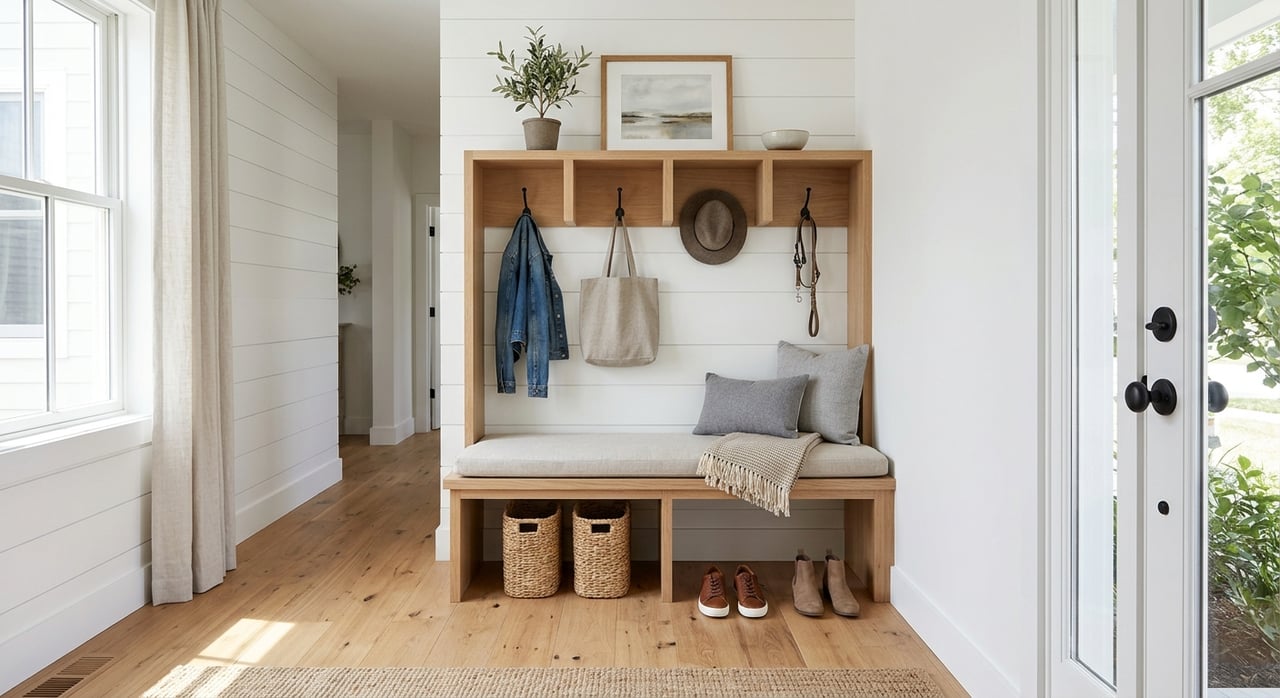
If you own an older home in Littleton, you may be wondering how much you really need to update before you sell. The good news is that today’s buyers do not always need a full remodel. What they do want is a home that feels well cared for, functional, and easy to move into. In this guide, you’ll learn which updates tend to make the biggest impact, where to be careful with permits, and how to make your home feel current without overspending. Let’s dive in.
Why older Littleton homes need a smart plan
Littleton is an established, largely owner-occupied market, with a 61.2% owner-occupied housing rate and a median value of $630,600 for owner-occupied homes. In a market like this, older homes often compete less on novelty and more on condition, presentation, and overall upkeep.
That matters if your home has great bones but shows its age in visible ways. Buyers may love the location and lot, but dated finishes, worn surfaces, or deferred maintenance can shape how they see value. A focused prep plan helps your home feel cared for and relevant to today’s buyer expectations.
Start with repairs and due diligence
Before you spend money on cosmetic changes, get clear on the home’s condition. A practical first step is to line up an inspection and a professional home energy assessment so you can identify issues in the right order.
This is especially important in an older home, where hidden concerns can sit behind walls, in attics, or around older systems. The U.S. Department of Energy recommends starting with a professional energy assessment because it helps identify where a home is inefficient and which improvements to prioritize first.
Check permit-sensitive work early
In Littleton, work that affects the structural frame, electrical system, or plumbing system may require permits, and contractor license or registration rules can apply. If you are thinking about removing walls, reworking utility lines, or making visible exterior changes, it is wise to verify requirements before listing.
If your property is in a designated historic district or landmark area, exterior changes may also require a certificate of historic appropriateness. That can include changes to front- or side-facing facades, doors, windows, roofing materials, visible HVAC equipment, accessory structures, and some patios, decks, or stoops.
Interior work and routine maintenance are generally exempt, but older-home sellers should still avoid assuming that every project is simple. Getting clarity early can prevent delays once you are on the market.
Focus on visible updates first
For most older Littleton homes, the best resale logic comes from smaller, visible improvements rather than major custom remodels. National resale data from the 2025 Remodeling Impact Report supports a simple idea: buyers notice what they can see right away.
The strongest reported resale recovery included a new steel front door at 100%, closet renovation at 83%, a new fiberglass front door at 80%, new vinyl windows at 74%, new wood windows at 71%, basement conversion to living area at 71%, attic conversion at 67%, complete kitchen renovation at 60%, minor kitchen upgrade at 60%, and bathroom renovation at 50%.
That does not mean you need to tackle every item. It means your budget usually works harder when you spend it on updates that improve first impressions and everyday function.
Best places to spend before listing
For an older home, these updates usually make the most sense:
- Fresh interior paint in a simple, cohesive color palette
- A clean, updated front door if the current one looks worn
- Replacing tired-looking windows where appropriate
- Updating worn flooring or deep cleaning existing flooring
- Swapping dated cabinet hardware
- Improving sightlines by removing visual clutter
- Handling minor repairs buyers will notice right away
NAR also reports that real estate professionals most often recommend painting the entire home, painting a room, and replacing roofing. Recent buyer demand has also been strongest around kitchen upgrades, new roofing, and bathroom renovation.
Keep layout changes in perspective
It is tempting to think an older home needs walls removed or a full reconfiguration to compete. In many cases, that is not the best use of time or money, especially when permit requirements, contractor coordination, and listing timelines are involved.
If a change touches walls, structure, plumbing, or electrical systems, it becomes more complex and more expensive. For many sellers, a cleaner, brighter, better-presented version of the current layout is enough to help buyers connect with the home.
Instead of chasing a major remodel, focus on making each space feel open, clean, and easy to understand. That often delivers a stronger return than a large personal renovation right before a sale.
Make your older home feel more efficient
Energy efficiency is one of the clearest ways to make an older home feel more current. Buyers may not expect a historic or long-owned home to perform like new construction, but they do notice comfort, drafts, and utility-conscious improvements.
The most practical place to start is with a professional energy assessment. From there, cost-effective improvements often include air sealing, weatherstripping, and insulation upgrades.
Prioritize low-drama energy upgrades
According to the Department of Energy, caulking and weatherstripping can provide quick returns, often in one year or less. ENERGY STAR also estimates that air sealing plus adding insulation in attics, floors over crawl spaces, and basements can reduce heating and cooling costs by an average of 15%.
For older homes, practical energy upgrades often include:
- Air sealing around leaks and gaps
- Attic insulation improvements
- Wall insulation where appropriate
- Insulation in floors over crawl spaces or basements
- Replacing single-pane windows with efficient double-pane low-e windows when needed
DOE also notes that proper insulation improves comfort and can reduce heating and cooling costs from the roof down to the foundation. That kind of improvement helps buyers experience your home as better maintained and more comfortable.
Look into local utility incentives
If your home is served by Xcel Energy, current Colorado rebate materials include incentives for air sealing, wall insulation, attic insulation, heat pump water heaters, and certain high-efficiency cooling equipment. Xcel also offers a Colorado Energy Advisor Service to help homeowners review audits, prioritize upgrades, and choose contractors.
For sellers, that matters because it can help you make informed decisions on improvements without guessing where your money will go furthest.
Stage the rooms buyers notice first
Once repairs and updates are handled, presentation becomes critical. Staging is not about making your home look trendy. It is about helping buyers understand how the home lives.
NAR’s 2025 Profile of Home Staging found that 83% of buyers’ agents said staging made it easier for buyers to visualize a home as their future home. That is a powerful reason to take presentation seriously, especially in an older property where buyers may already be watching for signs of age.
Focus on the highest-impact rooms
Buyers’ agents identified the most important rooms to stage as:
- Living room
- Primary bedroom
- Kitchen
Sellers’ agents most often staged the living room, primary bedroom, dining room, and kitchen. If your budget is limited, start there.
The same report notes a median staging-service spend of $1,500. That gives useful context if you want a polished look without committing to a full redesign.
What to do before photos and showings
The most common pre-listing improvements recommended by agents were decluttering, entire-home cleaning, improving curb appeal, professional photos, minor repairs, carpet cleaning, depersonalizing, paint touch-ups, painting walls, and improving the outdoor landscape.
For an older Littleton home, this means buyers should notice cleanliness, light, and order before they notice age. Aim for clear counters, simplified shelves, open floor area, tidy storage, and a well-kept exterior.
A practical prep sequence for sellers
If you are not sure where to begin, keep the order simple. A good prep plan helps you avoid wasting money on updates that do not move the sale forward.
Here is a practical roadmap for an older Littleton home:
- Start with an inspection and energy assessment
- Address safety concerns and permit-sensitive items
- Complete the most visible cosmetic updates
- Improve efficiency with air sealing and insulation where appropriate
- Finish with cleaning, decluttering, staging, and professional photography
This sequence aligns with the best logic in the research. Assess first, fix what matters, invest in visible improvements, and then package the home beautifully for the market.
What today’s buyers want to feel
Most buyers shopping older homes in Littleton are not expecting perfection. They are looking for signs that the home has been maintained, updated thoughtfully, and prepared with care.
That is why the right prep plan is less about chasing trends and more about reducing friction. When your home looks clean, functions well, feels comfortable, and presents clearly, buyers can focus on the opportunity instead of the to-do list.
If you are preparing an older home for sale in Littleton, the goal is not to erase its age. The goal is to show its value in the clearest possible way.
If you want a clear plan for what to update, what to skip, and how to present your home for today’s market, Chris Davis can help you map out the right next steps with a polished, data-informed approach.
FAQs
What updates matter most when selling an older home in Littleton?
- The most practical updates are usually visible ones, such as fresh paint, front door improvements, worn flooring, minor kitchen updates, cabinet hardware, and repairs buyers will notice right away.
What permits should Littleton sellers watch for before remodeling?
- In Littleton, work affecting the structural frame, electrical system, or plumbing system may require permits, and visible exterior changes may need extra review, especially in designated historic areas.
What energy improvements help an older Littleton home feel more modern?
- A professional energy assessment, air sealing, weatherstripping, attic or wall insulation, and efficient window upgrades where appropriate can improve comfort and help the home feel more current.
What rooms should sellers stage first in an older Littleton house?
- The top rooms to prioritize are the living room, primary bedroom, and kitchen, since those spaces matter most to buyers when they are picturing daily life in the home.
How should sellers prepare an older Littleton home before listing?
- Start with inspection and assessment, address safety and permit-sensitive issues, complete visible cosmetic improvements, then finish with deep cleaning, decluttering, staging, and professional photography.