
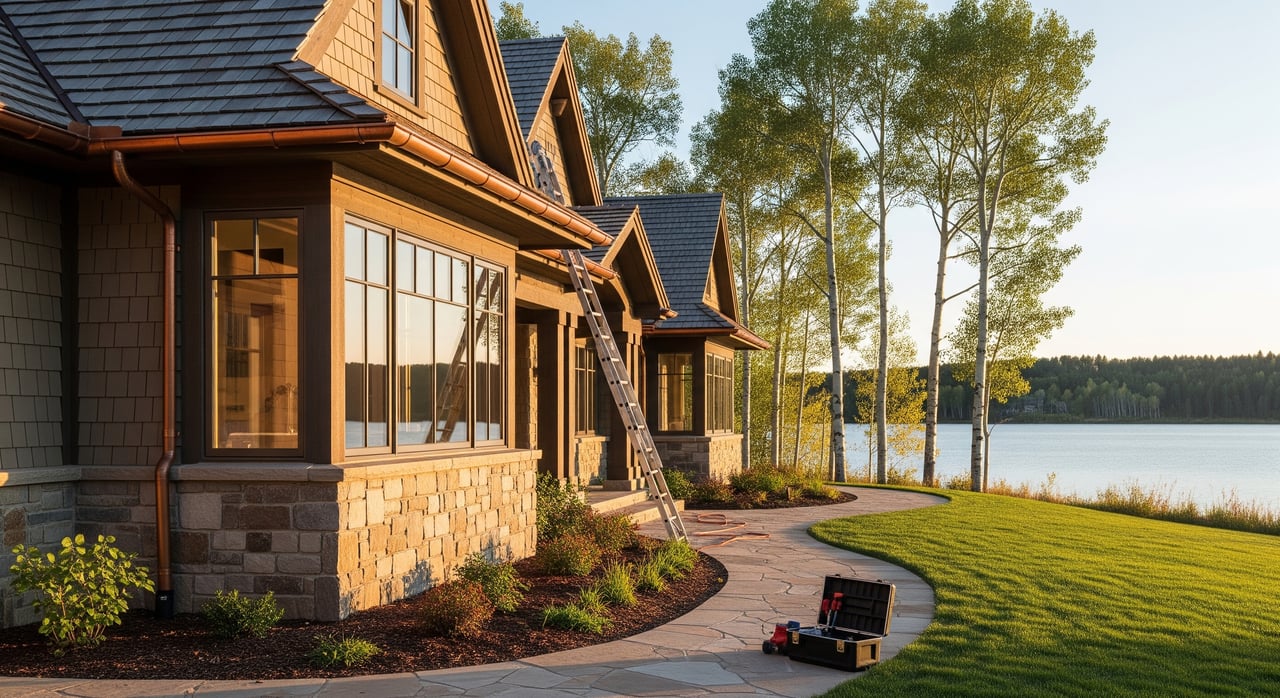
Thinking about listing in Bow Mar and worried about last‑minute inspection surprises? You are not alone. With custom homes, waterfront features, and complex systems, even small issues can become big stressors once a buyer’s inspector gets involved. In this guide, you will learn when a pre‑listing inspection makes sense in Bow Mar, what to include, typical costs and timing, and a simple plan to use the results to your advantage. Let’s dive in.
What a pre‑listing inspection is
A pre‑listing inspection is a full home inspection you order before your home goes on the market. The goal is to identify defects, safety concerns, and maintenance items so you can decide whether to repair, adjust your price, or disclose.
Most inspections cover structure and foundation, roof and attic, exterior cladding and drainage, windows and doors, interior systems like plumbing, electrical and HVAC, appliances, basements or crawlspaces, and basic safety components. For larger or custom homes, you may add specialty inspections to match the property’s features.
Why it matters in Bow Mar
Bow Mar homes often include custom architecture, mature landscaping, docks or shoreline structures, pools or spas, and bespoke systems like in‑floor heat or advanced HVAC. These features add value, but they also add complexity. The more complex the home, the more likely a buyer’s inspector will flag issues that lead to delays or price negotiations.
Local conditions also influence inspections:
- Freeze‑thaw cycles can stress roofs, flashing, and drainage. Attic ventilation and ice dam risks are common review items.
- Soils in parts of the Denver metro can move seasonally, so foundations, slabs, and drainage need careful evaluation.
- Basements and lower levels often rely on sump pumps and drainage systems. Water intrusion history is a frequent focus.
- Radon is a known concern across Colorado. Buyers often request radon testing unless you provide recent results. The EPA’s guide for buyers and sellers explains why testing matters and how to interpret results. Review the EPA’s Home Buyers and Sellers Guide to Radon for context.
- If you have lakefront elements like a dock or shoreline structure, a specialty review may be smart.
A pre‑inspection does not change your disclosure duties in Colorado. You still need to disclose known material facts. You can review the Colorado Real Estate Commission’s contracts and forms, including the Seller’s Property Disclosure, on the Colorado Division of Real Estate site. It is also wise to check Arapahoe County’s Building Division records for permits and code items that may come up during a buyer’s diligence.
- Read the EPA’s Home Buyers and Sellers Guide to Radon for testing insights.
- See the Colorado Department of Public Health and Environment’s radon program for state guidance.
- Review Colorado Real Estate Commission contracts and disclosures.
- Check Arapahoe County Building Division resources for permit and code information.
What to include for Bow Mar homes
For premium and custom properties, consider a broader scope to match the home’s systems:
- Full home inspection with photo‑rich reporting.
- Radon test using a professional short‑term monitor.
- Sewer scope for the lateral line, especially on larger or older lots.
- Chimney and fireplace inspection, Level II if applicable.
- Pool and spa inspection, including equipment.
- Dock or shoreline structure review by a qualified contractor or engineer if applicable.
- Roof drone inspection for complex or steep roofs.
- Structural engineer consult if the inspector notes movement or anomalies.
- HVAC performance testing and in‑floor heat verification where installed.
- Wood‑destroying organism inspection if requested by buyers or lenders.
- Mold or moisture testing if visible conditions or readings suggest an issue.
When choosing an inspector, look for recognized credentials and clear reporting standards. The American Society of Home Inspectors provides Standards of Practice, and InterNACHI outlines its Standards of Practice as well. These resources help you vet a pro who is equipped for custom homes.
Pros and cons for sellers
Here is a balanced view to help you decide.
Pros
- Reduces surprises by surfacing issues before buyers see them.
- Improves pricing precision since you know what you are selling.
- Speeds closings by handling fixes early and avoiding emergency repairs.
- Builds buyer confidence when you share a pre‑inspection summary and repair receipts.
- Allows time for competitive bids and proper permits.
- Lets you control the narrative with organized documentation.
Cons
- You may uncover significant defects that require repairs, pricing changes, or disclosure.
- There is upfront cost and time for inspections and follow‑up work.
- Some buyers may still question findings or get their own inspection.
- It does not replace a buyer’s inspection, so parallel reviews are likely.
For high‑value, custom homes in Bow Mar, the extra diligence often pays off because it can reduce risk and protect your timeline. Still, be ready for the possibility of expensive discoveries and plan your strategy in advance.
Costs and timing in Arapahoe County
Costs vary by size and complexity. Larger homes, outbuildings, and specialty systems increase fees. Typical add‑on ranges include:
- Radon test: about 100 to 300 dollars.
- Sewer scope: roughly 125 to 400 dollars.
- Roof drone inspection: about 150 to 400 dollars.
- Pool and spa inspection: about 150 to 400 dollars.
- Structural engineer consult: often 500 to 2,000 dollars or more depending on scope.
Run your pre‑inspection 1 to 3 weeks before listing. That window gives you time to gather bids and complete fast repairs. If the inspection reveals a safety issue, handle it before you start marketing. If permits are needed, start early since timelines can extend.
How to choose inspectors
Picking the right pros is half the battle. Look for:
- Experience with luxury and custom homes, including outbuildings and complex systems.
- Clear, photo‑rich sample reports and references from similar properties in the Denver metro.
- Credentials such as ASHI or InterNACHI membership, plus radon measurement certification.
- Liability and E&O insurance.
- Access to trusted specialists like sewer camera operators, structural engineers, marine contractors, pool technicians, and HVAC performance testers.
Review the ASHI Standards of Practice and the InterNACHI Standards of Practice to understand scope and limitations before you hire.
How to handle findings
Use a triage approach:
- Safety or required fixes. Correct electrical hazards, gas leaks, or structural failures before listing.
- Material but non‑urgent items. For things like roof flashing or a failing water heater, decide whether you will repair, offer a credit, or price accordingly.
- Minor or maintenance items. Disclose and consider low‑cost improvements that boost showing appeal.
Next steps after you receive the report:
- Get at least two bids for material items.
- Decide your strategy: repair now with invoices and permits, price to reflect the condition, or disclose and offer a credit at closing.
- Pull permits as needed and note permit numbers on your documentation.
- Keep receipts, warranties, permits, and engineer reports for your disclosure pack.
- Tidy up small items that distract buyers, such as cleaning gutters and touching up paint.
Sample neutral language for marketing and disclosures can help set expectations. Consider: “Seller completed a pre‑listing inspection dated [date]. Select repairs were completed by licensed contractors. Permits and receipts available for review.”
Marketing and disclosure strategy
There are two common approaches.
- Transparency forward. Share your inspection summary and a list of completed repairs during showings or upon request. This builds confidence and can prevent re‑negotiation later.
- Price and disclose. Use the inspection to set price and prepare disclosures without distributing the full report. Buyers can still perform their own inspections.
In Colorado, you must still disclose known material facts. Review the Colorado Real Estate Commission’s forms to stay aligned with state requirements.
A simple Bow Mar pre‑inspection plan
Use this quick workflow to stay organized:
- Order a full pre‑listing inspection with radon testing and a sewer scope.
- Review findings and prioritize safety and material items. Get multiple bids.
- Pull or verify permits for past or planned work. Document everything.
- Decide whether to repair and market as pre‑inspected or adjust price and disclose.
Ready to decide? We can help
If you want less stress and more control, a pre‑inspection is a proven path for Bow Mar sellers. Team DTC Davis coordinates inspectors, specialty vendors, bids, permits, and presentation. We can also facilitate pre‑sale improvements through Compass Concierge so you show your home at its best without slowing your timeline. If you would like a tailored plan for your property, reach out to Chris Davis for a complimentary strategy session.
FAQs
What is a pre‑listing inspection in Colorado?
- It is a seller‑ordered home inspection done before listing to identify issues, plan repairs, set price, and prepare disclosures; buyers often still perform their own inspection.
Should Bow Mar sellers test for radon before listing?
- Yes, radon testing is common in Colorado; see the EPA’s radon guide and CDPHE’s radon program for why testing and mitigation can be smart for a smooth sale.
How much does a pre‑inspection cost for a large custom home?
- Expect higher fees with size and complexity, plus add‑ons like radon, sewer scope, and pool inspections; plan for several hundred to a few thousand dollars total.
Will a pre‑inspection replace the buyer’s inspection?
- No, most buyers still hire their own inspector; your goal is to reduce surprises, document repairs, and support a clean negotiation.
What if the inspection finds unpermitted work?
- Discuss permit options with your listing agent, review Arapahoe County resources, and decide whether to pursue permits, repair, or price and disclose.
When should I schedule the pre‑inspection before listing?
- Book it 1 to 3 weeks before going live to allow time for bids, repairs, and permits, and handle any urgent safety fixes before marketing.