
If you want a place where you can grab coffee, stroll to dinner, catch a community event, and still stay connected to parks and trails, living near downtown Littleton deserves a close look. For many buyers, the appeal is not just charm. It is the mix of history, convenience, outdoor access, and a true town-center feel that can be hard to find in the south metro area. This guide will help you understand what daily life is really like near downtown Littleton and what to keep in mind if you are thinking about buying there. Let’s dive in.
Downtown Littleton has a distinct feel
Downtown Littleton centers on a four-block stretch of Main Street, with Town Hall serving as one of the visual anchors of the historic district. The district includes Main Street, Alamo Avenue, and the streets in between, creating a compact core that feels walkable and easy to explore.
That historic identity is not accidental. The city’s preservation rules allow new construction, but exterior changes and demolition are reviewed for compatibility with the district’s character. If you are drawn to places with established architecture and a sense of continuity, that can be a major part of the appeal.
Daily life feels convenient and connected
One of the biggest benefits of living near downtown Littleton is how many everyday activities can happen close to home. The downtown business mix includes restaurants, shops, and service businesses, so the area supports both casual outings and practical errands.
That means your weekend might look simple in the best way. You can head out for breakfast, run a few errands, and finish with an evening meal without driving across town. For buyers who value a lifestyle with a little more walkability, that matters.
Events keep the area active
Downtown Littleton is not just a shopping and dining district. It also has a strong calendar of recurring events that help shape life near the core throughout the year.
The 2026 signature lineup includes:
- Downtown Littleton Block Party on June 13
- Illuminate Littleton on July 24
- Western Welcome Week from August 7 to August 16
- Big Pride Littleton on October 10
- Candlelight Walk and Tree Lighting on November 27
These events bring regular energy to Main Street and nearby public spaces. If you like living somewhere that feels active and seasonal, downtown Littleton offers that rhythm.
The farmers market adds a local routine
A recurring farmers market runs on Nevada Street north of Main Street on the first and third Sunday from May through October. For nearby residents, that can become part of your normal routine rather than a special trip.
Small details like this often shape how a neighborhood feels over time. Having a regular event within easy reach can make the area feel more connected and more usable in day-to-day life.
Outdoor access is a major lifestyle perk
For many buyers, one of Littleton’s strongest advantages is its parks-and-trails network. The city says it has more than 1,400 acres of parks and open space and over 200 miles of trails, which gives residents a lot of options for walking, biking, and spending time outside.
Downtown connects to the South Platte River and Mary Carter Greenway through Little’s Creek Trail. It also links to the Community Trail and Centennial Link Trail, making it easier to move through the south metro area on foot or by bike.
Nearby parks add breathing room
Living near downtown does not mean giving up access to green space. Several nearby parks and outdoor destinations help balance the activity of the core with quieter places to recharge.
Ketring-Gallup Park is about a mile southeast of historic downtown and covers roughly 55.5 acres around Bemis Public Library and the Littleton Museum. The park includes Ketring Lake, pedestrian trails, tree canopy, public art, and parking areas.
Hudson Gardens adds another outdoor option along the South Platte River and Mary Carter Greenway. Neighborhood parks such as Sterne Park also contribute to the area’s day-to-day livability.
Housing near downtown tends to have character
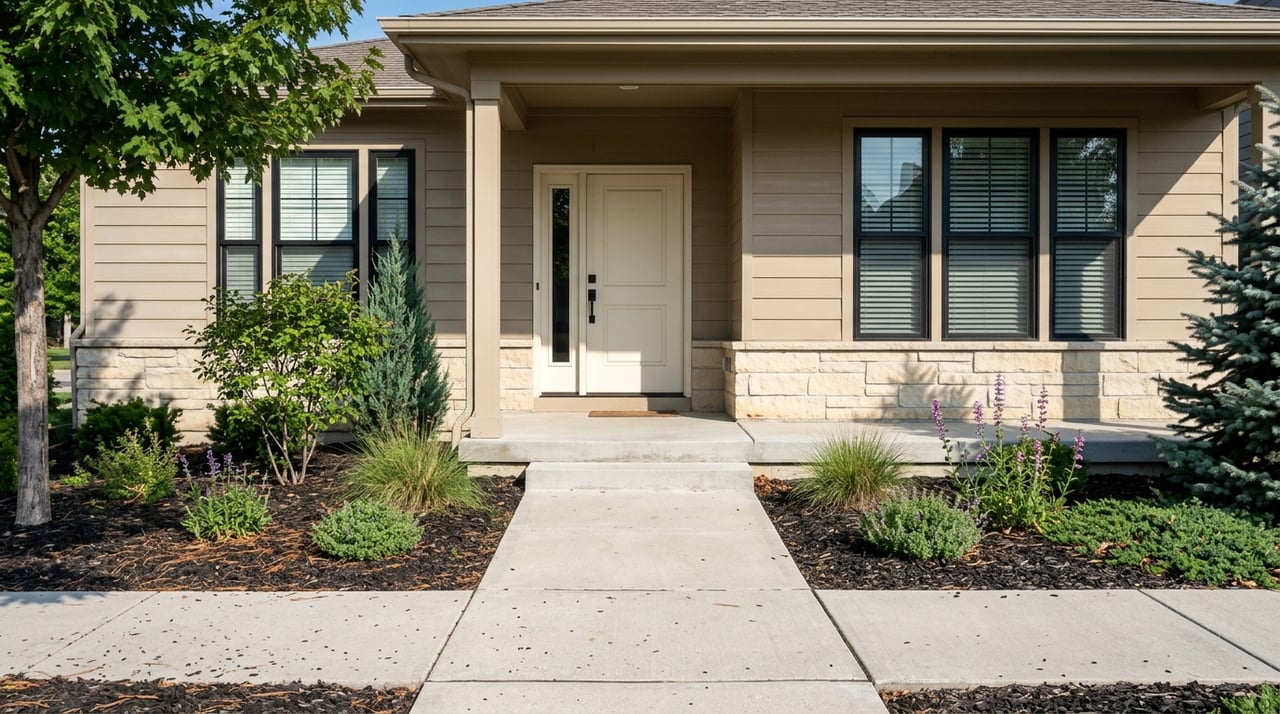
If you are shopping near downtown Littleton, you should expect housing that feels more established than what you would find in a newer suburban subdivision. Local sources suggest downtown-adjacent homes are more likely to be early-20th-century, porch-forward properties with mature character.
That is part of what draws many buyers to the area. Instead of a brand-new tract-home feel, you may find homes with architectural detail, older lot patterns, and a stronger connection to the area’s history.
Historic areas shape the housing mix
Louthan Heights, the city’s first local historic landmark district, includes homes built between 1921 and 1929 in a Craftsman style. The downtown historic district also includes some residential properties, reinforcing the idea that nearby housing often reflects Littleton’s earlier development patterns.
For buyers, that can be a plus, but it also comes with responsibility. In some locations, preservation rules may affect what changes can be made to a home’s exterior, so it is smart to understand those details before you buy.
Buying here requires attention to boundaries
One of the most important things to know is that a Littleton mailing address does not always mean the home is within Littleton city limits. The city’s boundaries are irregular and extend across Arapahoe, Jefferson, and Douglas counties.
That matters because city services, historic-review rules, and other municipal details may depend on the property’s actual jurisdiction. If you are specifically looking for a home within the City of Littleton, you will want to verify the address rather than assume based on the mailing label.
Parking and transit can support the lifestyle
Parking and transit are both part of the downtown Littleton experience. On-street parking in downtown is free, although some streets have two-hour limits, and there are additional lots, including RTD lots at Rio Grande and Main Street and at Prince and Alamo.
The Littleton/Downtown Station also adds another transportation option. It is a rail park-n-ride with 361 spaces, paid parking, and bus connections.
Check transit details before you rely on them
Transit can be a real plus for buyers who want another way to get around, but current service patterns may shift. RTD service is in flux because of the Downtown Rail Reconstruction Project, so it is wise to check current schedules before making a decision based on a specific line pattern.
In other words, transit access is still a benefit, but you should confirm the latest operations if commuting is a key part of your home search.
Expect thoughtful change near the core
Downtown Littleton is historic, but it is not frozen in time. The city adopted Project Downtown in late 2024 as a long-term effort focused on multimodal connectivity, parking, pedestrian safety, wayfinding, green infrastructure, and streetscape features like trees, wider sidewalks, and gathering spaces.
Phase 1 design work is underway in 2026. Over time, residents near the core should expect continued improvements aimed at making downtown safer, more walkable, and easier to navigate.
Construction may affect access at times
With any long-term improvement plan, there can be tradeoffs. Phase 1 includes streetscape upgrades, possible access changes during construction, and a parking and curbside management strategy.
For many buyers, that will feel like a reasonable exchange for long-term improvements. Still, it is helpful to go in with clear expectations if you want to live close to the center of the action.
Who tends to love this area most
Living near downtown Littleton often appeals to buyers who want more than just a house. You may be a strong fit for the area if you value an established setting, local events, access to trails, and the ability to reach shops and restaurants without a long drive.
It can also work well if you appreciate homes with character and understand that older neighborhoods sometimes come with extra details, from preservation guidelines to evolving parking patterns. For the right buyer, those are not drawbacks. They are part of what makes the area special.
If you are weighing Littleton against other south metro options, downtown-adjacent living offers a distinct combination of history, convenience, and outdoor connection. The key is knowing exactly what lifestyle you want and matching that to the right block, home style, and jurisdiction.
If you are exploring homes near downtown Littleton and want clear, neighborhood-specific guidance, Chris Davis can help you evaluate the options and find the right fit for your goals.
FAQs
What is downtown Littleton like for everyday living?
- Downtown Littleton offers a mix of shops, restaurants, services, recurring events, and a farmers market, which can make daily life feel convenient and active.
What kinds of homes are near downtown Littleton?
- Homes near downtown Littleton tend to be older and more character-rich, with some areas featuring early-20th-century architecture and historic district considerations.
Are all Littleton addresses inside Littleton city limits?
- No. Many properties have a Littleton mailing address but are located outside the City of Littleton, so you should verify the actual jurisdiction of any home you are considering.
Is downtown Littleton good for outdoor access?
- Yes. Downtown connects to Little’s Creek Trail and links to larger trail systems, and nearby destinations like Ketring-Gallup Park and Hudson Gardens add more outdoor options.
What should buyers know about parking and transit in downtown Littleton?
- Downtown offers free on-street parking with some time limits, additional lots, and access to the Littleton/Downtown Station, but transit schedules should be checked carefully because service is currently changing.
Will downtown Littleton change in the coming years?
- Yes. Project Downtown is a long-term city effort focused on safer streets, better walkability, improved connectivity, parking strategy, and upgraded streetscape features near the core.